
license
This article is a stub. You can help the IndieWeb wiki by expanding it with relevant information.
A license describes the terms that you want to allow others to re-use (if at all) your personal site content, and similarly how you are allowed to (re)use other published works; including open source code in projects, or other content, like the IndieWeb wiki itself.
For IndieWeb wiki content, see:
How to
How to display licensing of a post
While there is no uniform agreed way of displaying the licensing of a post, one common practice is to place a brief summary in the footer of the page like with text or an image (or both)
- © Copyright 2026, all rights reserved.
- CC BY-SA 4.0 This work is licensed under a Creative Commons Attribution-ShareAlike 4.0 International License.

Sometimes with part of the text and/or the image linked to the exact license (e.g. https://creativecommons.org/licenses/by-sa/4.0/ in the CC examples)
How to markup licensing of a post
You can markup the licensing of an entire post on its permalink page with rel-license. Link from the permalink page to the license you're using (e.g. Creative Commons) and put rel="license" on that link.
IndieWeb Examples
Tantek
 Tantek Çelik has Creative Commons licensed some pages on his site since at least 2001.
Example of an index of pages, some of which are licensed:
Example of a CC-licensed page:
Christian Weiske

<link rel="license" type="text/html" href="http://creativecommons.org/licenses/by-nc-sa/3.0/"/>
<link rel="license" type="application/rdf+xml" href="http://creativecommons.org/licenses/by-nc-sa/3.0/rdf"/>
Jamie Tanna
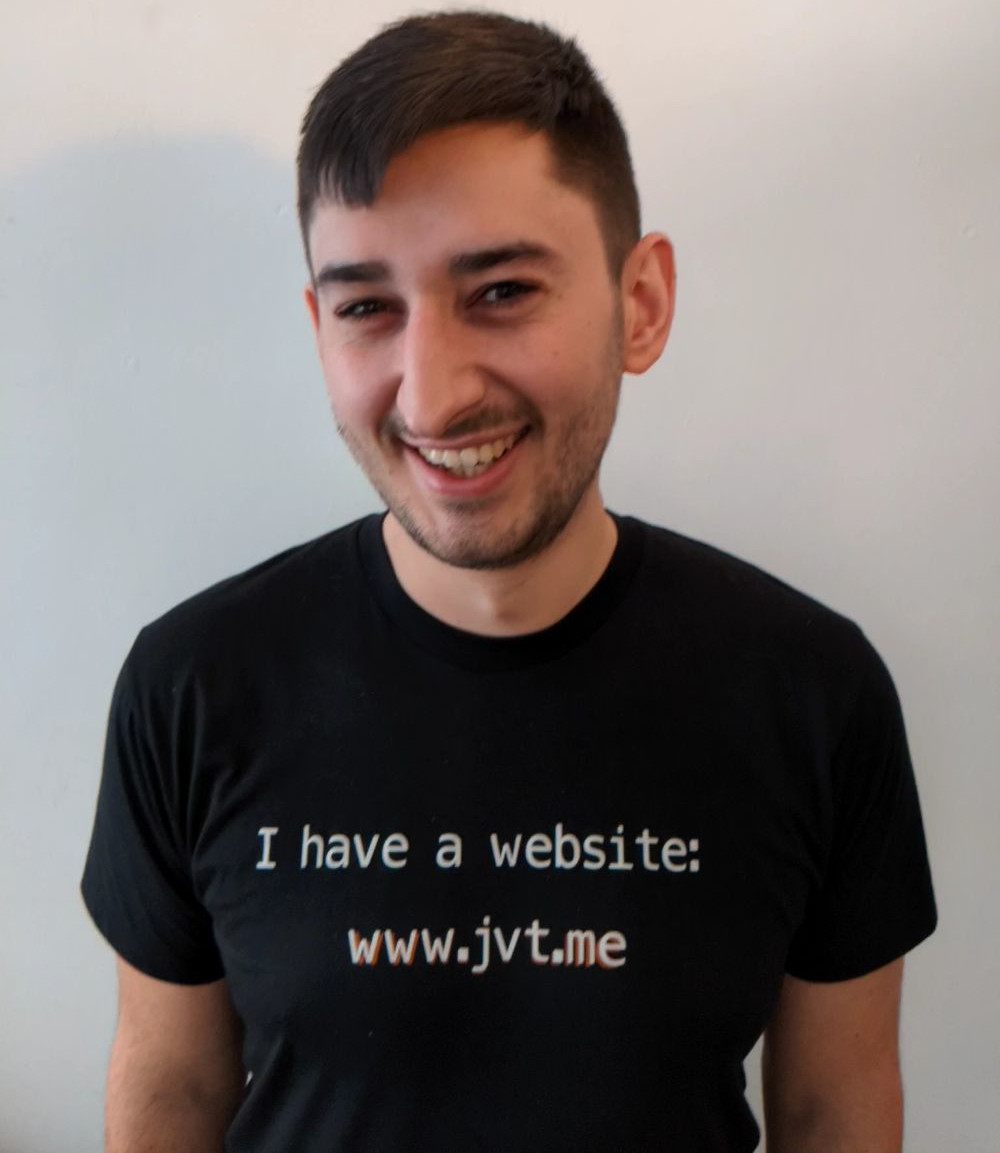 Jamie Tanna defines two licenses per post:
- Prose, for the post's written content (defaults to CC-BY-SA-NC-4.0)
- Code, for any code snippets in the post (defaults to Apache-2.0)
Jamie wrote about changing the way he approach licensing on 2018-07-29 and 2019-09-28
Matt Lee
 Dr. Matt Lee uses Creative Commons BY-SA 4.0 on all content created and posted on his site with the following code:
<p xmlns:cc="http://creativecommons.org/ns#">This work is licensed under <a href="https://creativecommons.org/licenses/by-sa/4.0/" rel="license">CC BY-SA 4.0</a> unless otherwise stated or it doesn't have my name on it.</p>
- Add yourself here… (see this for more details)
Other Examples
- The Creative Commons License chooser provides an HTML snippet that includes rel="license"
<a rel="license" href="http://creativecommons.org/licenses/by/4.0/">
  <img alt="Creative Commons License" style="border-width:0" src="https://i.creativecommons.org/l/by/4.0/88x31.png" />
</a><br />
This work is licensed under a <a rel="license" href="http://creativecommons.org/licenses/by/4.0/">Creative Commons Attribution 4.0 International License</a>.
Brainstorming
Why and when
- When reposting a post, it would be nice to know if you have permission for such repost. If you tell your server to repost something, it can check for a usable license and then either display the full post, or only link to it.
- The above could also apply to reply context.
- The above could also apply to displaying remote comments and likes.
Licensing specific things
There's no good current way to markup licenses for specific / individual posts in a feed like a composite stream.
Similarly, if you only want to license part of a post, there's no good current way to do that either.
Some possibilities:
- Introduce a
u-licenseproperty to h-entry that links to the license for that entry. This would replacerel-license, and provide more flexibility. - Have some separate specific license for the
u-photo/u-video/u-audioin a post- Or just use the same
u-licensethat is there for the entire post
- Or just use the same
Sessions
Related sessions at IndieWebCamps:
